By Laura Magness, Communications Director | Midvale City
As government communicators, we know how often our work intersects with elected officials, whether we are drafting a newsletter, designing a flyer, or posting updates on social media. A new Utah law, HB 551 – Elected Official Publicity Amendments, signed by Governor Cox this spring, changes how we handle certain communications. It took effect May 7, 2025.
What HB 551 Means
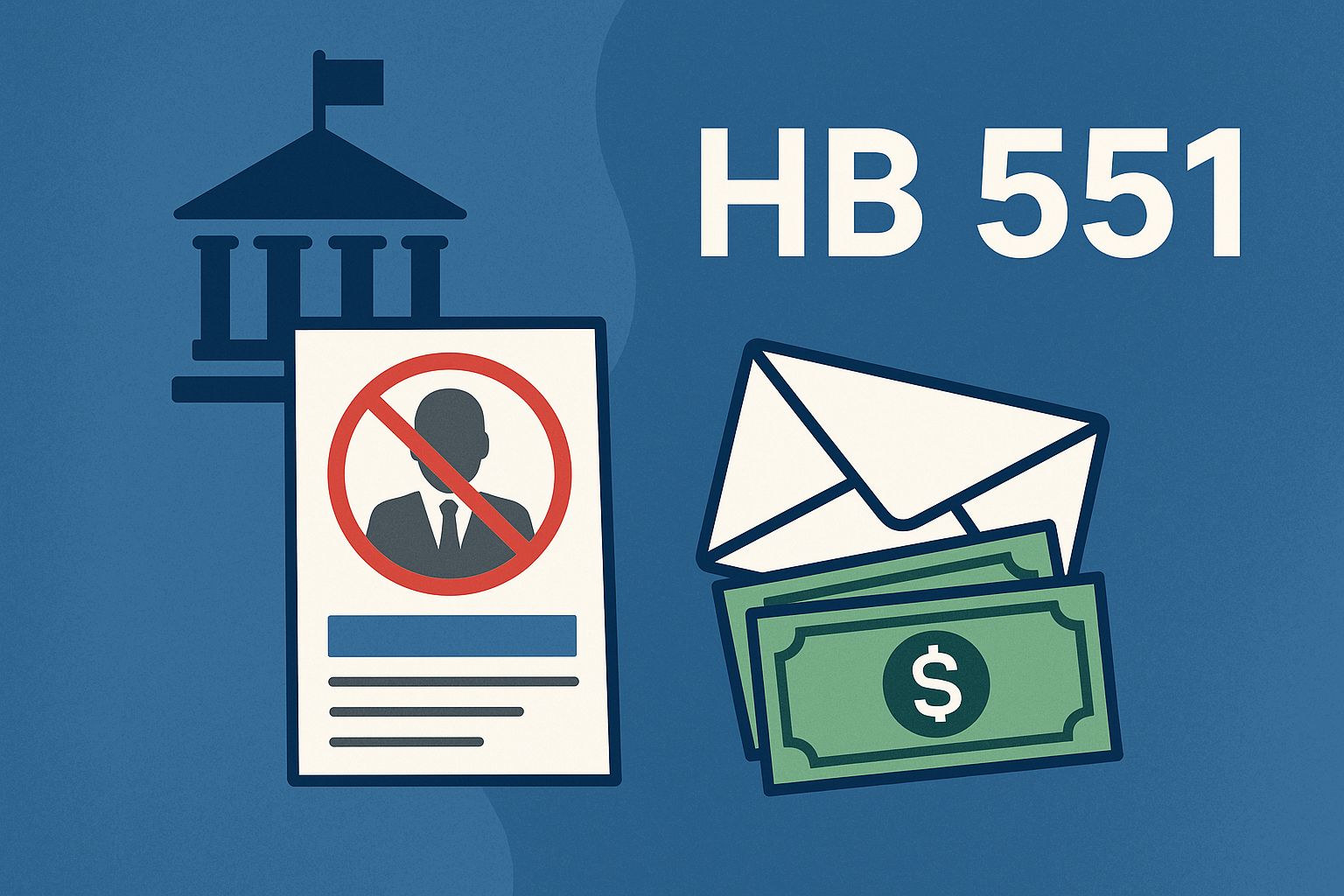
HB 551 limits the use of public funds for publicity featuring elected officials during the 60 days before a caucus, convention, or election.
Specifically, the law restricts:
- Printed mass communications, defined as mailed materials that:
- Contain identical or substantially similar content
- Are mailed to more than 500 recipients in a calendar year
- These materials cannot:
- Highlight an elected official’s name in the largest font
- Include their photo, image, or likeness
This ensures taxpayer dollars are not used for campaign-style promotions.
What is Still Allowed
HB 551 allows:
- Direct responses to constituent questions
- Communications between public officials
- Press releases issued to media outlets
- Mailings required by law
The day-to-day business of government communication continues, just with extra attention during election season.
Printed vs. Digital Communications and Interpretation
The law explicitly applies to printed mass communications, as defined above. Digital communications, such as emails, social media posts, and website content, are not specifically regulated under the statutory definition of “mass communication.”
That said, many agencies treat digital communications featuring elected officials thoughtfully. Public-funded digital content could still be perceived as publicity or promotion. To reduce risk, it is recommended to review digital communications with your agency’s legal counsel when they feature elected officials during the 60-day window.
In short:
- Printed mass communications must strictly follow the law
- Digital communications are not explicitly restricted, but caution and legal review are advised
Why This Matters for PIOs
Small design choices, such as font size, photo placement, or timing, can make the difference between compliant and non-compliant communications. Even something as simple as a headshot on a flyer or newsletter may require review.
Legal Interpretation
Every agency may interpret the law differently, and not every situation is clear-cut. Consult your attorney before moving forward on projects that could be affected.
Quick Reference for HB 551
What You Cannot Do (within 60 days of a caucus, convention, or election)
- Use public funds for printed mass communications that:
- Show an elected official’s name in the largest font
- Include their photo, image, or likeness
What is Still Allowed
- Responding directly to a constituent inquiry
- Communicating with another public official
- Issuing press releases to media outlets
- Mailings required by law
Tips for PIOs
- Double-check fonts, images, and layouts on printed materials
- Be mindful of timing, especially during the 60-day window
- Flag projects featuring elected officials for legal review
- For digital communications, consult legal counsel if unsure
Timing Notes
Many of you already navigated HB 551 during the primary elections. For those using Ranked Choice Voting, compliance begins 60 days before the General Election, since no primary was held. That said, we all must follow HB 551 for the General Election.
The 60-day window began on September 4, 2025. From this date forward, any printed mass communication featuring an elected official’s name – or their photo, image, or likeness must be reviewed carefully. Digital communications should also be reviewed when public funds are used, even though the law does not specifically regulate them.
 Utah PIO Association