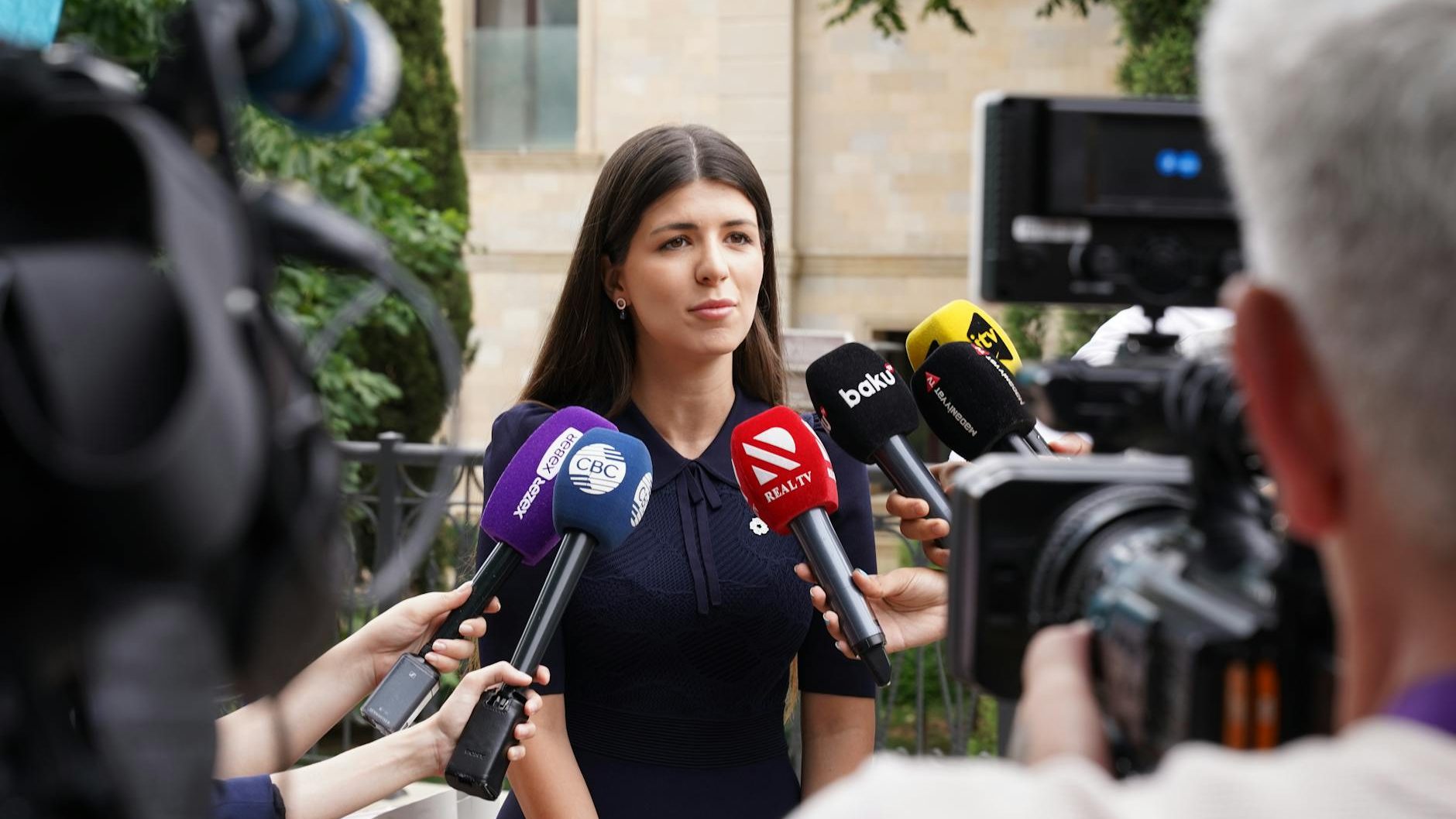
Building Strong Media Relations:
A Practical Guide for Government Communicators
By Jenna Ahern, Communications Manager | City of Vineyard
For government communicators, media relations isn’t about “spin” or chasing headlines; it’s about building trust, sharing accurate information, and helping the public understand how their government serves them. When done well, strong media relationships can amplify your message, reduce misinformation, and ensure your agency is seen as a reliable, transparent source.
If you’re new to media relations or looking to strengthen your approach, this guide breaks down how to establish productive relationships with journalists and work with them to earn positive, accurate coverage for your agency.
1. Understand the Media’s Role (and Pressures)
Before reaching out to reporters, it’s important to understand their world:
- Deadlines are tight. Reporters often need quick responses.
- Accuracy matters. They rely on credible sources who can explain complex topics clearly.
- News value drives coverage. Impact, relevance, timeliness, and human interest all matter.
Approaching media as partners in informing the public, not adversaries, sets the tone for a productive relationship.
2. Identify the Right Media Contacts
Not every reporter covers government, and not every outlet is right for every story.
Start by:
- Researching reporters who regularly cover local government, public safety, growth, education, or infrastructure.
- Following them on social media to understand their interests and recent coverage.
- Building a media list with names, beats, and preferred contact methods.
Targeted outreach is far more effective than blasting a press release to every newsroom in your region.
3. Be Proactive, Not Reactive
Many agencies only contact media during crises, but proactive engagement builds credibility long before issues arise.
Proactive strategies include:
- Sharing story ideas that explain projects, milestones, or community impacts.
- Offering background briefings on complex topics (budgeting, zoning, growth, policy changes).
- Pitching human-centered stories that highlight employees, residents, or partnerships.
When reporters already know and trust you, they’re more likely to call you first when news breaks.
4. Make It Easy for Reporters to Do Their Jobs
Government information can be complex. Your role is to make it accessible.
Best practices:
- Respond quickly, even if it’s just to say you’re working on an answer.
- Use plain language and avoid jargon and acronyms.
- Provide clear facts, timelines, and context.
- Offer visuals, data, or site access when appropriate.
- Be honest about what you know and what you don’t.
Reliability is one of the most valuable traits you can offer the media.
5. Prepare Spokespeople for Success
A knowledgeable but unprepared spokesperson can unintentionally derail a good story.
Support your leaders and subject-matter experts by:
- Sharing key messages and likely questions ahead of interviews.
- Emphasizing clarity, brevity, and empathy.
- Practicing responses to tough or controversial topics.
- Reinforcing the importance of staying within their expertise.
Confident, prepared spokespeople build trust with reporters and the public alike.
6. Build Relationships Outside of Breaking News
Media relations are strongest when they’re built over time, not just during emergencies.
Consider:
- Introducing yourself with a simple “here if you ever need anything” email.
- Thanking reporters for fair and accurate coverage.
- Correcting inaccuracies politely and promptly, without defensiveness.
- Hosting occasional media briefings, tours, or informal meet-and-greets.
Mutual respect goes a long way in long-term media relationships.
7. Measure Success Beyond Headlines
“Good press” isn’t just positive press; it’s accurate, balanced, and informative coverage.
Evaluate your efforts by asking:
- Was the information correct?
- Did the coverage reflect our key facts and context?
- Did it help residents better understand an issue or service?
- Did it build trust in the agency?
Sometimes success means preventing misinformation or ensuring nuance, not only glowing praise.
Final Thoughts
Strong media relations are built on trust, consistency, and service. By being proactive, responsive, and transparent, government communicators can help journalists tell accurate stories that serve the public interest.
In the end, effective media relations aren’t about controlling the narrative; they’re about contributing meaningfully to it.
 Utah PIO Association