Join the Utah PIO Association and the Utah Association for Government Communications for our March luncheon as we explore how Utah communities are preparing to commemorate America’s 250th anniversary!
July 4, 2026 marks the semiquincentennial of the Declaration of Independence. America250 Utah is leading statewide efforts to educate, engage, and unite Utahns in this historic milestone. During this session, attendees will learn how local communities are participating and discover practical ways to communicate about our state’s history, programs, and events.
Featured Speakers
Nicole Handy, America 250 Executive Director
Ellen Weist, America 250 Utah PIO
Renee Leta, America 250 Director of Communications
Event Details
Date: Thursday, March 12 Time: 11:30 am to 1:00 pm (stream begins at noon) Location: Utah Department of Natural Resources 1594 W. North Temple, Salt Lake City First floor, DNR auditorium
Parking & Entry Please park in the visitor parking area in front of the building. Check in with security in the lobby for directions to the auditorium.
By Jenna Ahern, Communications Manager | City of Vineyard
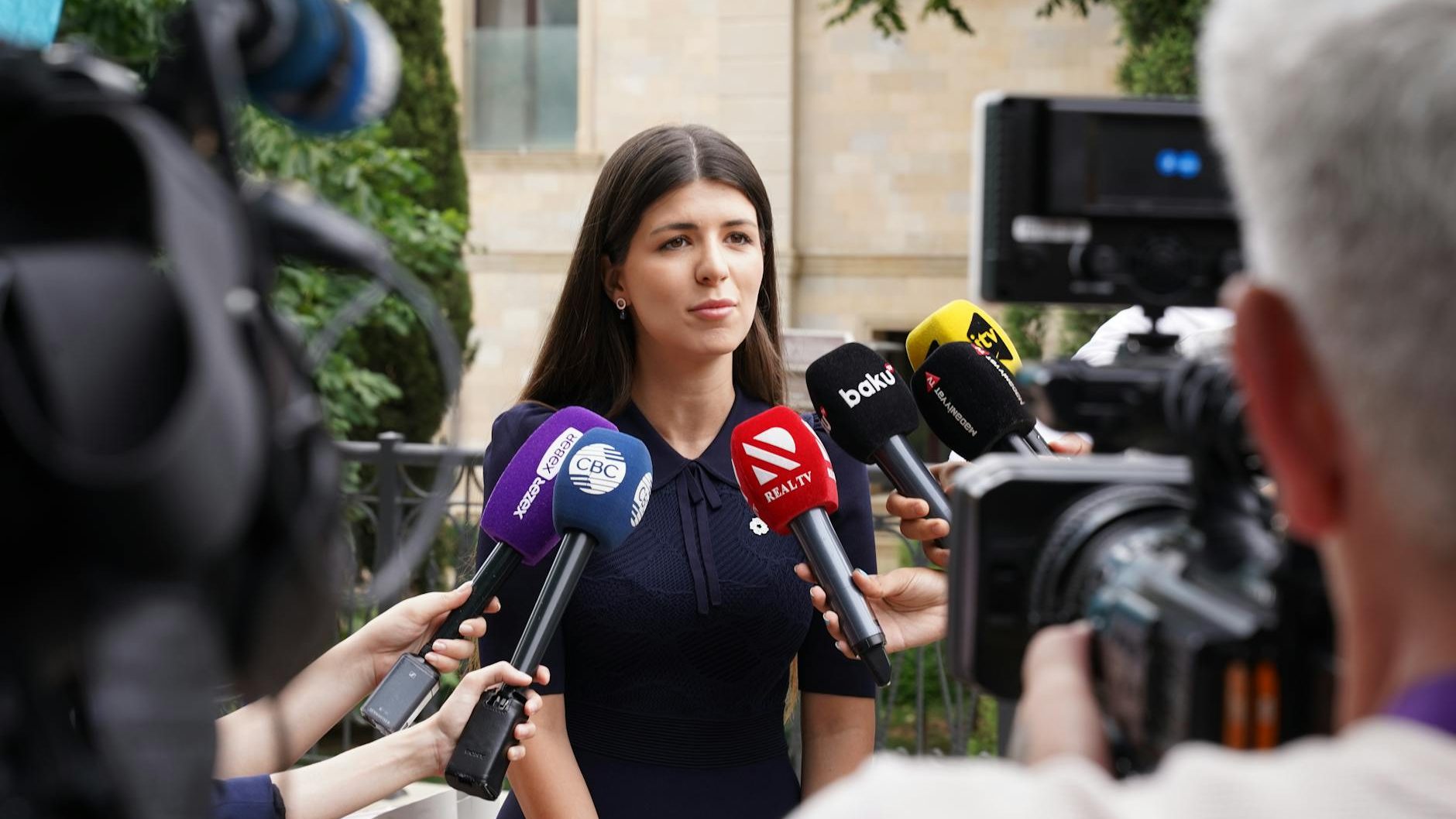
For government communicators, media relations isn’t about “spin” or chasing headlines; it’s about building trust, sharing accurate information, and helping the public understand how their government serves them. When done well, strong media relationships can amplify your message, reduce misinformation, and ensure your agency is seen as a reliable, transparent source.
If you’re new to media relations or looking to strengthen your approach, this guide breaks down how to establish productive relationships with journalists and work with them to earn positive, accurate coverage for your agency.
1. Understand the Media’s Role (and Pressures)
Before reaching out to reporters, it’s important to understand their world:
Deadlines are tight. Reporters often need quick responses.
Accuracy matters. They rely on credible sources who can explain complex topics clearly.
News value drives coverage. Impact, relevance, timeliness, and human interest all matter.
Approaching media as partners in informing the public, not adversaries, sets the tone for a productive relationship.
2. Identify the Right Media Contacts
Not every reporter covers government, and not every outlet is right for every story.
Start by:
Researching reporters who regularly cover local government, public safety, growth, education, or infrastructure.
Following them on social media to understand their interests and recent coverage.
Building a media list with names, beats, and preferred contact methods.
Targeted outreach is far more effective than blasting a press release to every newsroom in your region.
3. Be Proactive, Not Reactive
Many agencies only contact media during crises, but proactive engagement builds credibility long before issues arise.
Proactive strategies include:
Sharing story ideas that explain projects, milestones, or community impacts.
Pitching human-centered stories that highlight employees, residents, or partnerships.
When reporters already know and trust you, they’re more likely to call you first when news breaks.
4. Make It Easy for Reporters to Do Their Jobs
Government information can be complex. Your role is to make it accessible.
Best practices:
Respond quickly, even if it’s just to say you’re working on an answer.
Use plain language and avoid jargon and acronyms.
Provide clear facts, timelines, and context.
Offer visuals, data, or site access when appropriate.
Be honest about what you know and what you don’t.
Reliability is one of the most valuable traits you can offer the media.
5. Prepare Spokespeople for Success
A knowledgeable but unprepared spokesperson can unintentionally derail a good story.
Support your leaders and subject-matter experts by:
Sharing key messages and likely questions ahead of interviews.
Emphasizing clarity, brevity, and empathy.
Practicing responses to tough or controversial topics.
Reinforcing the importance of staying within their expertise.
Confident, prepared spokespeople build trust with reporters and the public alike.
6. Build Relationships Outside of Breaking News
Media relations are strongest when they’re built over time, not just during emergencies.
Consider:
Introducing yourself with a simple “here if you ever need anything” email.
Thanking reporters for fair and accurate coverage.
Correcting inaccuracies politely and promptly, without defensiveness.
Hosting occasional media briefings, tours, or informal meet-and-greets.
Mutual respect goes a long way in long-term media relationships.
7. Measure Success Beyond Headlines
“Good press” isn’t just positive press; it’s accurate, balanced, and informative coverage.
Evaluate your efforts by asking:
Was the information correct?
Did the coverage reflect our key facts and context?
Did it help residents better understand an issue or service?
Did it build trust in the agency?
Sometimes success means preventing misinformation or ensuring nuance, not only glowing praise.
Final Thoughts
Strong media relations are built on trust, consistency, and service. By being proactive, responsive, and transparent, government communicators can help journalists tell accurate stories that serve the public interest.
In the end, effective media relations aren’t about controlling the narrative; they’re about contributing meaningfully to it.
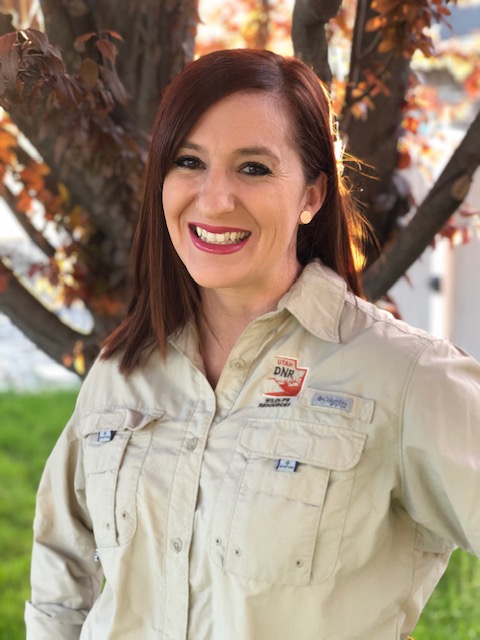
By Faith HeatonJolley, Public Information Officer | Utah Division of Wildlife Resources
The Utah Division of Wildlife Resources experienced a series of chaotic, “dumpster-fire”-esque events during a six-month period between the fall of 2022 and spring of 2023. Much of the mayhem involved record-breaking snowfall, which was great for combatting ongoing drought conditions, but also wreaked havoc on wildlife in several parts of the state.
Because wildlife can be unpredictable, various crises involving them and their management occur from time to time. When such situations arise, it falls to the communications teams of wildlife agencies to help relay essential information to the public and to internal staff.
Here’s a look at those crises that the Utah Division of Wildlife Resources dealt with and lessons learned by their public information officer, Faith Heaton Jolley.
Millcreek Canyon cougar incident
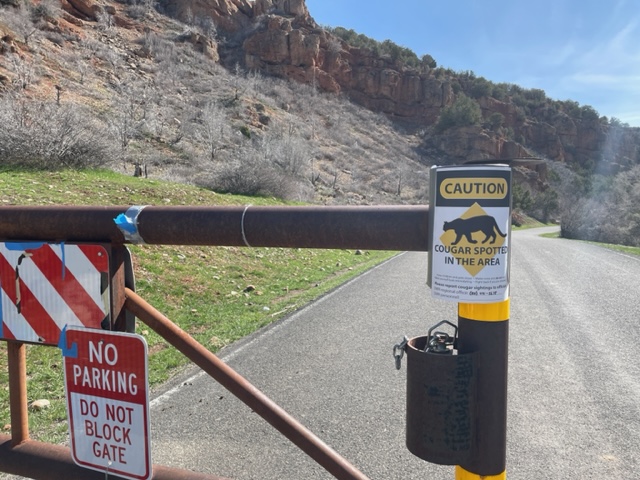
The first situation involved a woman who was leapt on and scratched by a cougar while trail running in Millcreek Canyon near Salt Lake City in September 2022. Thankfully, she wasn’t seriously injured and was able to make it down the trail and to a local hospital. DWR biologists and conservation officers responded to the scene and were able to locate the cougar involved. Because it had injured a person, the cougar was euthanized, per DWR protocols.
Because the woman had called emergency dispatchers, a local media outlet (listening to police scanners) was alerted to the incident. After providing information and doing a virtual interview, the PIO (me) felt confident that the TV station was satisfied and had what they needed. However, the reporter then showed up on the scene unannounced to get additional footage of the area. The search for the cougar was still underway, and the reporter was there and heard the gunshot of the cougar being euthanized.
Lesson learned: Be prepared for reporters to just show up on scene, even after providing them with information. Have a prepped outreach/communications employee there, even if you aren’t planning to hold a formal press conference. This will allow your employee to intercept reporters and visit with them in a predetermined staging area. This will also help keep media personnel out of areas where an investigation — or other follow-up activities — are still occurring, so they don’t impede ongoing work or see or hear something you don’t want them to.
Diamond Fork cougar incident
In April 2023, there was another very similar incident. A man was hiking in Diamond Fork Canyon, about 70 miles south of Salt Lake City, when he encountered a mountain lion and was also severely scratched. He was able to hike back down the canyon and drove himself to the hospital. The local county sheriff’s office received a report of the incident and shared it through social media late that same night, which of course, alerted reporters to it. Because so many media outlets wanted information, the decision was made to hold a press conference the next morning.
I told our conservation officers to ask the victim if he was comfortable doing media interviews at some point in the future, in case the media asked — thinking that media could just be referred to the man if they were interested. However, moments later, an officer informed me that the man who’d been attacked was on his way to the press conference — a definite curveball to controlling the narrative at the media event. Thankfully, the victim’s account of the incident was straightforward, and the press conference went smoothly.
Lessons learned: Make sure you are coordinating with other partnering agencies so you can help control the timing and messaging of any public information that is released. And make sure you communicate very clearly about the plans for any public outreach so that everyone is on the same page (and you don’t have the victim inadvertently show up to the press conference!)
Winter mayhem
More than 900 inches of snowfall in parts of Utah during the 2022-23 winter caused multiple issues for the state’s wildlife. Here are a few of the incidents and decisions that had to be communicated to the public:
Elk take over Salt Lake City: In search of food, a herd of roughly 200 elk migrated onto a golf course next to a major freeway on the east side of Salt Lake City. They caused countless traffic concerns on nearby roadways, and despite numerous attempts to herd them out of the area, they kept returning and stayed there for roughly 2 months.
More elk chaos: A separate herd of elk migrated near the freeway about 15 miles from the first location, and 15 elk were hit by vehicles during one weekend. The DWR had to partner with the Utah Department of Transportation to lower speed limits in the area and post warnings on electronic road signs.
Emergency deer feeding: In an effort to help deer herds that were struggling in deeper-than-normal snow, the DWR implemented emergency deer feeding in some parts of northern Utah. This also required nuanced messaging to explain why the public should not feed deer or other wildlife on their own.
Closures to wildlife management areas: While several wildlife management areas in Utah have annual seasonal closures to help protect wintering big game, those closures were extended this year due to the weakened condition of deer in northern and central Utah.
The concurrent, multi-month crises obviously provided some challenges and increased workload for both myself and my communications team. But there were also some valuable takeaways and lessons learned.
Here are a few:
Keep providing updates to the media, even if there isn’t much of an update to share. They are anxious for more information each day. Always be responsive and just tell them that there isn’t any new information, if there aren’t any updates that day.
Have an emergency response plan (particularly for wildlife attacks or other major crises that occur from time to time) and train staff to know what to do and what their role is. This should all be done in advance and routinely brushed up on so that everyone feels confident in what to do when the actual crisis hits.
As much as possible, prep evergreen statements, draft messaging, etc., and get it approved in advance. This will help speed up your emergency communication efforts. If you have preapproved statements or information, you can reuse it — or easily modify it — in applicable situations.
Don’t forget about your internal communication! So often as communications professionals, we are focused on our external audience and the general public, but we need to loop in our internal staff as well. This was an oversight when we closed shed antler hunting, and then our front desk staff began getting calls and had no idea what was going on or what to tell people.
Train your coworkers to loop you in when crises arise, particularly ones that may hit the media or that the public could learn about. This will help you to prep messaging and talking points in advance so you are ready when reporters do reach out.
Use all your channels to get your messaging out. This will help magnify your message and help you reach more people who may get their information in different ways.
Don’t be a hero — ask for help! When everything is on fire and chaos is raining down, don’t try to do everything yourself. Lean on your team members to help prep messaging, put together communications materials and handle media interviews.
By Marie Magers, Communications Manager/PIO | City of West Jordan
I have never considered myself a “data person.” Full honesty: math has never been my thing. But digging into analytics has completely changed how I approach messaging and how city leaders trust the work we do.
The good news? You don’t have to be a genius to understand data. Modern programs make the numbers easy to translate. Once you start paying attention, you realize analytics are less about math and more about people. They show you what residents care about, what confuses them, and what you can get ahead of before they even reach out.
Social Media and City Newsletter: Follow the Engagement:
Every month, I look at what’s working on our social channels and our newsletter (we send two a month). The posts that get clicks, shares, and reactions? That’s what residents really care about. The posts that don’t? They tell us how to tweak the messaging next time.
If you’re already looking at engagement metrics, here’s the next step: compare them with your newsletter clicks, website traffic, and even call trends. Patters start to emerge, and suddenly you’re not just seeing what resident like, you’re seeing what they need from you.
Web Views & Calls: Real-Time Resident Signals:
Our website and call data are just as important. A spike in page views, or questions popping up in our WJ Info Hub (our Teams chat where call takers across the city share what they’re hearing or questions they are getting) – usually means it’s time to push messaging sooner, more clearly, or maybe in a different format.
Case in point: seasonal cans (our city’s former green waste program). If Info Hub starts getting questions earlier than usual, we know it’s time to start messaging sooner. That’s not guesswork – it’s evidence.
Why This Works for Any Team:
Small Team: analytics give you focus and confidence. You know what to prioritize and can back it up. Large Team: analytics help everyone row in the same direction and keep messaging consistent.
Here’s the part that can get overlooked: it’s the connection between the data sources that really has an impact. Together, social engagement, newsletter clicks, website hits, and calls paint a clearer picture than any single metric alone.
Final Thought:
Using analytics isn’t about numbers, it’s about building trust. It helps us communicate smarter, act proactively, and show our leaders (and residents) that we have the proof to back up our decisions.
The numbers don’t lie. And when we follow them, across channels and across teams, our messaging does exactly what it’s supposed to do.
By Jeanteil Livingston, Communications Manager | Lehi City| PIO Association Vice President
Trust has always been the cornerstone of effective communication, but in today’s world, it’s harder to earn and easier to lose. In an age where misinformation spreads in seconds, communication professionals face the challenge of being both accurate and fast, empathetic yet firm, transparent yet strategic. Whether you manage media relations, oversee social media, or coordinate emergency updates, your ability to build trust directly shapes how the public perceives your organization.
The Challenge of Misinformation
Misinformation and disinformation are everywhere, shared, reposted, and repeated until they feel true. As communication professionals, we see firsthand how quickly speculation can outpace verified facts, especially during a crisis. When information is scarce or unclear, people fill the gaps with whatever they can find.
That’s why it’s critical for public communicators to be more than messengers. We must be interpreters of truth, offering clarity, consistency, and context in moments of uncertainty.
The Pillars of Public Trust
Transparency
Transparency is the first step toward building credibility. The public doesn’t expect us to know everything right away, but they do expect honesty and openness. Sharing what you know, what you don’t, and what steps are being taken to find answers signals integrity.
Tips:
Acknowledge uncertainty when details are still developing.
Provide regular updates, even when there’s little news to share.
Be upfront about challenges or delays, honesty outlasts perfection.
Transparency shows accountability and builds long term confidence.
Consistency
Consistency of message, tone, and timing is one of the strongest predictors of trust. People are reassured when they know what to expect from your organization and when to expect it.
Tips:
Coordinate across departments to ensure everyone is saying the same thing.
Use familiar formats and posting times for updates.
Stay steady in tone, avoid reactive or defensive messaging.
Consistent communication builds reliability and stability.
Credibility
Speed matters, but accuracy matters more. In an environment where anyone can publish information, credibility is the defining advantage of professional communicators.
Tips:
Confirm facts before releasing statements.
Correct misinformation quickly and publicly when errors occur.
Use trusted experts and data to back up key messages.
Credibility is earned through precision, not popularity.
Connection
People trust people, not institutions. Building authentic relationships with your community, media partners, and stakeholders ensures your messages carry weight when it matters most.
Tips:
Be visible and approachable in non-crisis times.
Use plain, human language instead of bureaucratic phrasing.
Engage in two-way communication, listen as much as you speak.
Connection turns communication into collaboration.
Empathy
Empathy transforms official statements into meaningful communication. When audiences feel seen and understood, they’re more likely to trust your message, even when the news is difficult.
Tips:
Lead with compassion before facts (“We understand this is frustrating…”).
Use inclusive, reassuring language.
Acknowledge the community’s emotions, not just the logistics of the situation.
Facts build knowledge, but empathy builds trust.
Responding to Misinformation
When misinformation spreads, how we respond can either restore credibility or deepen confusion. A defensive tone can alienate audiences, while calm, factual communication invites understanding.
Tips:
Correct misinformation clearly, calmly, and publicly.
Provide context, help people understand how and why false information spread.
Use visuals, infographics, or video explainers to simplify complex truths.
Partner with community influencers or local leaders who can amplify accurate messages.
Misinformation thrives on emotion; truth thrives on calm, consistent facts.
Building Trust Before the Crisis
Trust doesn’t start when the headlines hit, it’s cultivated in everyday communication. Regular, transparent interactions with your community establish a baseline of confidence that carries over when urgent situations arise.
Tips:
Share behind-the-scenes looks at projects and decision-making.
Celebrate small wins and community successes publicly.
Be proactive in outreach so people know where to turn for accurate updates.
Trust earned in calm times becomes resilience in a crisis.
Your Personal Trust Factor
Every communicator carries personal credibility that shapes how their organization is perceived. Professionalism, empathy, and dependability go a long way toward building lasting trust.
Tips:
Be responsive to questions, even the difficult ones.
Continue learning about communication trends, media literacy, and crisis response.
Treat every interaction as a reflection of your organization’s values.
You are the voice of trust long before a press release is written.
Trust Is Built One Message at a Time
Trust isn’t automatic. It’s built through steady, transparent, and human-centered communication, one update, one conversation, and one interaction at a time. In a society overwhelmed by misinformation, communication professionals have a unique power: to offer clarity in confusion, honesty in uncertainty, and hope in the face of fear.
Trust is not earned by being perfect, it’s earned by being real, reliable, and present when it matters most.